Introduction: From Jungle Leaf to U.S. Cup
You can trace the story of Happy Hippo Kratom back much farther than the cheerful pink hippo logo. Long before Americans began mixing green powder into smoothies or capsules, farmers in Thailand and Indonesia were plucking glossy green leaves from the tropical Mitragyna speciosa tree. They brewed them for energy during humid workdays and for calm evenings after long harvests.
Fast‑forward to today: kratom has traveled from misty forests to online shops and powder pouches. Among the brands claiming freshness and potency, Happy Hippo carved out a niche as the friendly—but serious—source for premium kratom products. In this article, we’ll unpack what kratom is, how Happy Hippo fits into the story, what sets their products apart, and what ethical, safety, and legal points every curious newcomer should know.
What Exactly Is Kratom? A Quick Botanical Primer
Kratom (Mitragyna speciosa) is a tropical evergreen tree native to Southeast Asia—think Thailand, Malaysia, Indonesia, and parts of Papua. It’s actually part of the coffee family, which explains why fans sometimes describe its effects as somewhere between caffeine’s alertness and herbal relaxation.
The magic—or controversy—comes from two main alkaloids:
- Mitragynine
- 7‑hydroxymitragynine
These molecules interact with receptors in the human brain tied to energy, mood, and pain perception. Small servings may feel energizing or mood‑brightening; larger servings can tip toward relaxation or sedation. The ratio of alkaloids differs depending on the leaf’s growing region, age, and curing process. That’s why kratom got categorized into “vein colors”—white, green, and red—which roughly indicate energy level and balance of effects.
Enter Happy Hippo: A Small Brand with Big Freshness
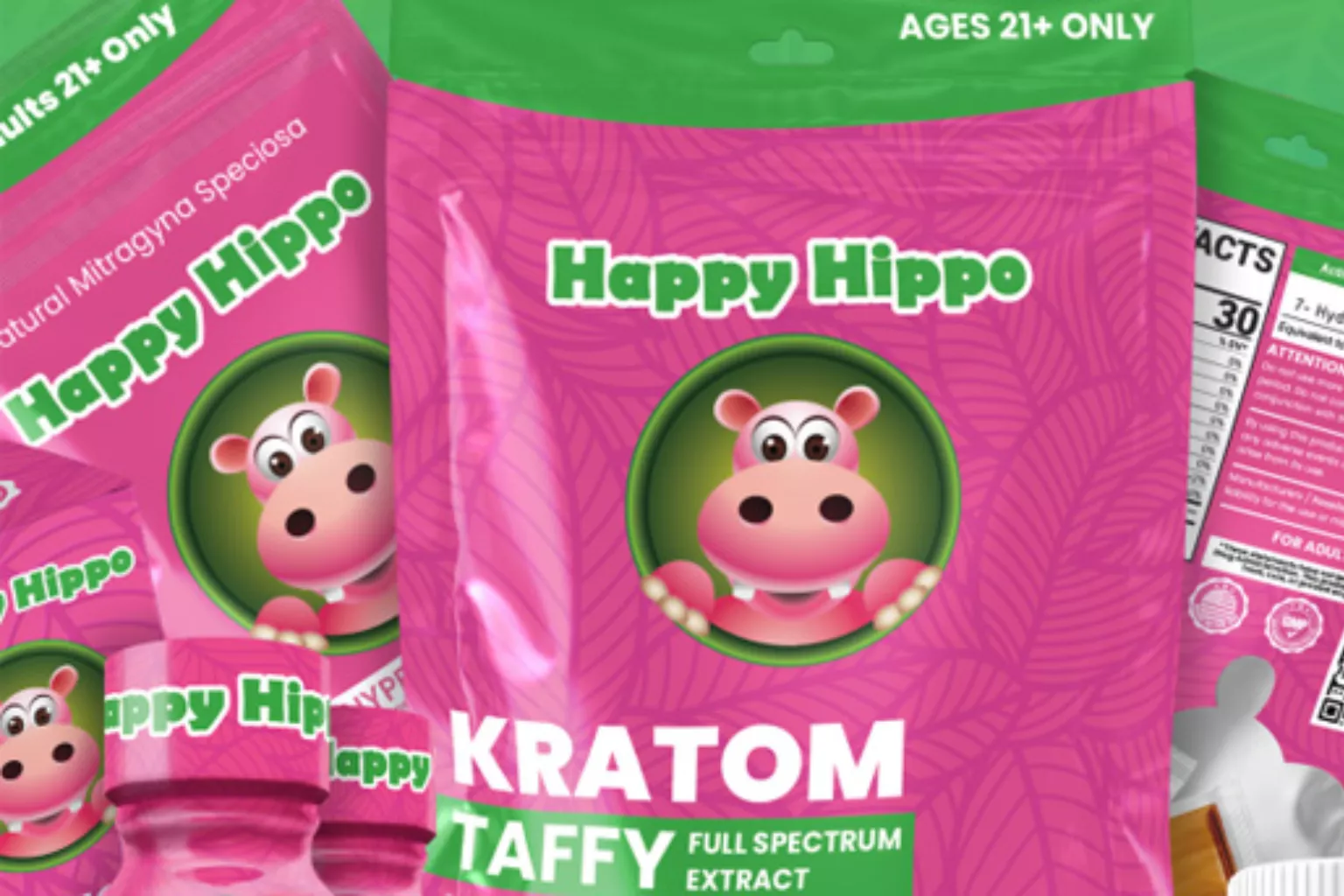
If you’ve spent any time in kratom forums, you’ve probably seen loyal fans shouting out “Happy Hippo” when people ask for a trustworthy source. The company started in the U.S. with a simple claim: fresher kratom equals more effective kratom.
Rather than buying huge, months‑old bulk shipments that lose potency, they emphasize small‑batch imports and careful storage sealed away from moisture and heat. “Happy Hippo” may sound lighthearted, but their focus on product consistency is surprisingly scientific: they test batches for purity and alkaloid levels, then name blends based on performance rather than vague forest names.
Decoding the Happy Hippo Nicknames
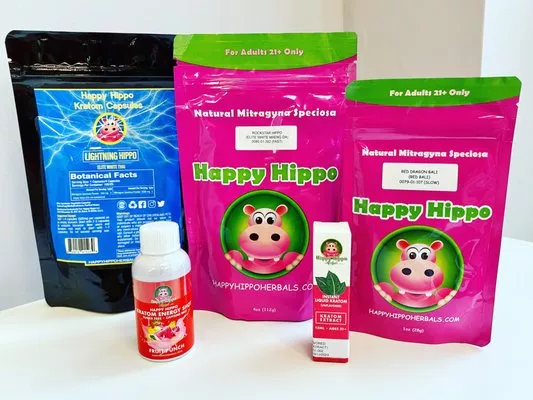
Instead of just selling “Red Bali” or “White Maeng Da,” Happy Hippo wraps its offerings in playful nicknames—think “Hyper Hippo,” “Rock Solid Hippo,” or “Happy Hippo I.” It’s charming marketing, yes, but each name corresponds to a classic vein color and general effect profile.
Here’s a simplified breakdown:
| Nickname Example | Vein Color | Typical Feel (User Reports)* |
|---|---|---|
| Happy Hippo I / II | Green | Balanced mood and focus |
| Hyper Hippo | White | Uplifting, energetic boost |
| Rock Solid Hippo | Red | Calm, tension relief |
| Sunshine Hippo | Gold/Blend | Smooth happiness, daytime calm |
*These descriptions rely on anecdotal user experiences, not officially recognized medical effects.
This fun naming system keeps customers engaged and helps newcomers experiment without memorizing Southeast Asian strain geography.
Forms and Formats: Powders, Capsules, and Extracts
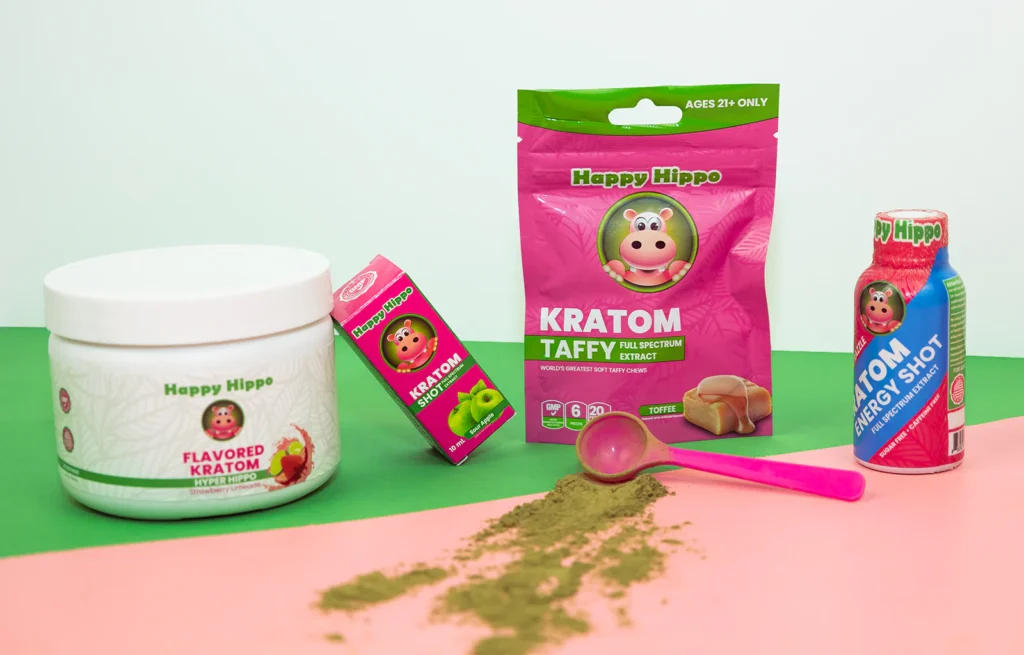
1. Kratom Powder – The pure, finely milled leaf. Users mix it into juice (“toss and wash”) or brew it as tea. Powders act fastest but can taste intensely earthy.
2. Capsules – Tasteless and convenient for on‑the‑go use. Each capsule contains measured powder, making it easy to control servings.
3. Extracts – Concentrated preparations where alkaloids are drawn from many leaves and condensed. They’re potent; a little goes a long way, so beginners need moderation and careful measurement.
Happy Hippo offers all three, but its identity still centers on premium, lab‑tested powder. It’s the equivalent of buying fresh‑ground coffee rather than instant granules.
What Makes “Happy Hippo” Stand Out
1. Freshness Philosophy
Kratom, like coffee, oxidizes with exposure to air and light. Happy Hippo tries to shorten the shipping chain, packaging directly after milling to lock in volatile alkaloids. Customers who compare say the difference is tangible—less dusty, more aromatic powder, often stronger aroma.
2. Batch Transparency
They provide batch codes so customers can track testing results. This builds confidence in an industry still fighting quality issues like heavy metal contamination or adulteration.
3. Customer‑Centric Branding
Let’s be honest—many supplement websites look sterile or hyper‑scientific. Happy Hippo leans into fun. Their mascot grins; their copy feels conversational; their website isn’t afraid of color. That friendly edge lowers intimidation for first‑time buyers who might otherwise find herbal pharmacology daunting.
4. Varied Product Lines
From ultra‑fine microgrind powders to extracts labeled “Atomic” for experienced users, they keep both ends of the spectrum—newcomer curiosity and seasoned connoisseur—satisfied.
User Reputation and Community Feedback
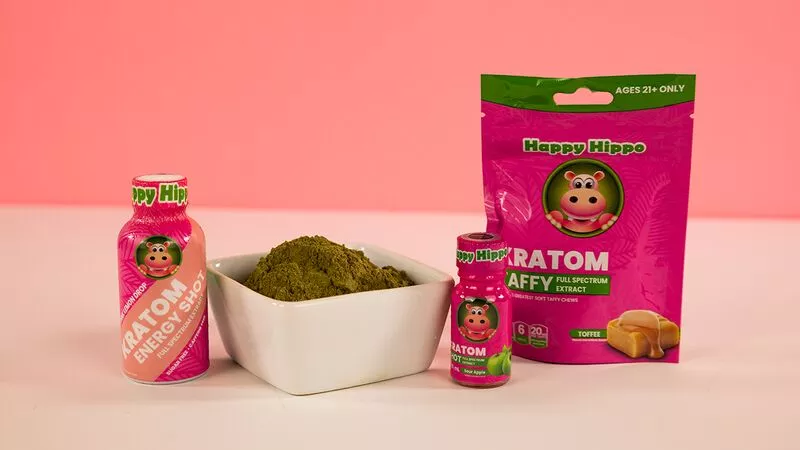
In online discussions, Happy Hippo earns praise for consistency—customers report predictable results from one bag to the next. Word‑of‑mouth often highlights their customer service (fast responses, clear refund policies). Some users even mention the packaging’s cheerfulness as a small daily mood booster.
Critics, however, point to price. You’ll pay noticeably more than with generic bulk suppliers. But many regulars justify the premium with the “you get what you pay for” argument—freshness, clean testing, and reliable taste.
That’s the classic trade‑off: trust and quality control cost money, but cheaper kratom can come with freshness or contamination risks.
The Science (and Uncertainty) Behind Kratom’s Effects
Let’s tread honestly: scientific research on kratom is still emerging. Some early studies suggest potential for pain relief and mood support, while others warn of dependence, liver toxicity, or withdrawal symptoms with heavy use. It’s not an FDA‑approved dietary supplement, meaning marketing claims cannot legally describe it as medicine or treatment.
From a chemical viewpoint:
- Mitragynine acts as a partial agonist at mu‑opioid receptors, meaning mild activation without the same respiratory depression risk seen in traditional opioids—but the risk still exists with high doses or other substances.
- 7‑hydroxymitragynine is stronger, contributing more to sedation and euphoria.
- Other minor alkaloids likely shape differences between strains.
Essentially, kratom behaves like a plant full of natural alkaloids that “nudge” various brain receptor systems. The exact result depends on your body chemistry, dose, strain, and tolerance.
Legal Status: A Patchwork Map
Kratom’s legality remains a living chessboard across the U.S.:
- Federal Level: Legal but unregulated by the FDA.
- State Level: Fully banned in a few states (for example, Alabama, Arkansas, Indiana, Rhode Island, Vermont).
- Local Ordinances: Some cities or counties ban it even in legal states.
Happy Hippo, being U.S.‑based, only ships where allowed by law and prominently lists restrictions. If you’re reading this in the future, double‑check updated regulations before ordering—laws shift yearly.
Internationally, kratom remains regulated or banned in many countries while being semi‑legal in others under “botanical research” status.
Responsibility, Safety, and the Art of Moderation
Because kratom affects neural receptors, it deserves the same caution as caffeine or alcohol—use responsibly, and don’t stack it with other serotonergic or opioid‑acting drugs. Regular long‑term heavy use can lead to tolerance or dependence, so spacing usage days and maintaining hydration are smart practices.
Happy Hippo openly states its products are “not for human consumption.” This legal phrasing protects them, but everyone knows the main community interest lies in functional effects. The unofficial rule among seasoned users is simple: start small, stay mindful.
If you have liver issues, heart conditions, or use prescription opioids, consult a licensed medical professional first.
Environmental and Ethical Considerations
Another subtle benefit of brands like Happy Hippo is their sourcing model. Reputable vendors often build relationships with sustainable Southeast Asian farms that pay local harvesters fair wages and avoid stripping young trees. Healthy demand paired with ethical sourcing can actually preserve wild kratom forests by making them economically valuable to maintain rather than cut down.
The global kratom trade still faces challenges—export regulations, inconsistent harvesting standards—but small‑batch buyers contribute to a more transparent ecosystem.
Taste, Aroma, and the Human Element
Here’s the part people forget: kratom has an unmistakable flavor—earthy, bitter, almost like green tea that’s decided to join a powerlifting competition. Happy Hippo’s freshest powders often have a vibrant green shade and a sharper herbal scent, small signs of minimal oxidation.
Some longtime customers talk about their “ritual”: mixing a small spoonful into orange juice each morning, taking a break mid‑week to reset tolerance, and jotting notes about mood or productivity. There’s something timeless about turning to plants for a boost, though kratom’s strength reminds us nature’s gifts come with complexity.
Customer Journey: From Curiosity to Routine
Here’s how a typical user discovers Happy Hippo:
- Curiosity: They read about kratom in a wellness forum.
- Skepticism: They worry about quality inconsistencies.
- Research: They find Happy Hippo’s colorful website and transparency pages.
- Trial: They order a small starter pack.
- Experience: They note freshness, mild energy, gentle calm.
- Adjustment: They learn which “Hippo” strain fits their day.
- Repeat: Fresh pouches arrive, the mascot grins again, and the ritual continues.
Comparing Happy Hippo to Other Kratom Brands
Not all kratom brands play fair. Some exaggerate potency or mix multiple batches without labeling differences. Compared side‑by‑side, Happy Hippo earns marks for reliability, hygienic packaging, and educational content. Others might cost less but sometimes ship pale, stale powder.
Think of Happy Hippo as the “micro‑roaster coffee” approach to kratom: quality over bulk volume, consistent flavor instead of mystery grab‑bags.
Future Outlook: Where the Kratom Conversation is Headed
Researchers are now studying kratom’s potential in harm reduction—that is, whether its alkaloids might someday help taper opioid dependence under medical supervision. At the same time, regulators debate stricter controls. Ethical companies advocating for safe use—like Happy Hippo—may guide the industry toward standardized production and clearer labeling.
Consumer education will remain critical. When people understand the plant’s complexity, fewer myths and panic headlines arise, leaving space for real science.
Conclusion: Respecting the Leaf, Enjoying the Balance
Happy Hippo Kratom stands out not because of flashy branding alone but because it treats kratom as something living—grown with care, processed quickly, delivered fresh. It’s a gentle reminder that “natural” doesn’t automatically mean “casual.” Nature’s most interesting gifts demand respect, moderation, and curiosity.
So, if you stumble into the world of kratom through that grinning pink hippo, you’ll meet a brand balancing science and cheer, caution and enthusiasm. From the tropical forests of Southeast Asia to your kitchen counter, the humble leaf continues its journey—still powerful, still mysterious, still, somehow, bringing a touch of jungle energy to modern life.